
Ringing in Your Ears? Understanding Tinnitus and the Complex Science of Hearing
What happens inside your ears when you hear buzzing, humming or ringing — and why understanding your hearing health matters.

Have you ever noticed a ringing, buzzing or humming sound in your ears, even when the room around you is completely quiet?
For some people, it happens occasionally. For others, it can become a persistent distraction — especially at night, during conversations or when trying to concentrate.
This experience is commonly known as tinnitus. It is not a sound coming from the environment, but a sound that a person perceives without an external source.
When Silence Doesn't Feel So Quiet
Tinnitus can sound different from one person to another. Some describe a high-pitched ringing, while others notice a low humming, buzzing or hissing sensation.
It may be noticed in one ear or both ears. Some people experience it intermittently, while others report a more persistent sound.
Ringing
A high-pitched tone or continuous sound.
Buzzing
A humming or vibrating sensation.
Hissing
A sound similar to static or air.

Understanding the structures involved in hearing.
The important thing to remember is that tinnitus can affect people differently. Its impact can range from a minor annoyance to a significant disruption of everyday life.
The Tiny Structures That Help You Hear
Hearing is an incredibly sophisticated process. Sound waves travel through the ear and create vibrations that eventually become electrical signals interpreted by the brain.
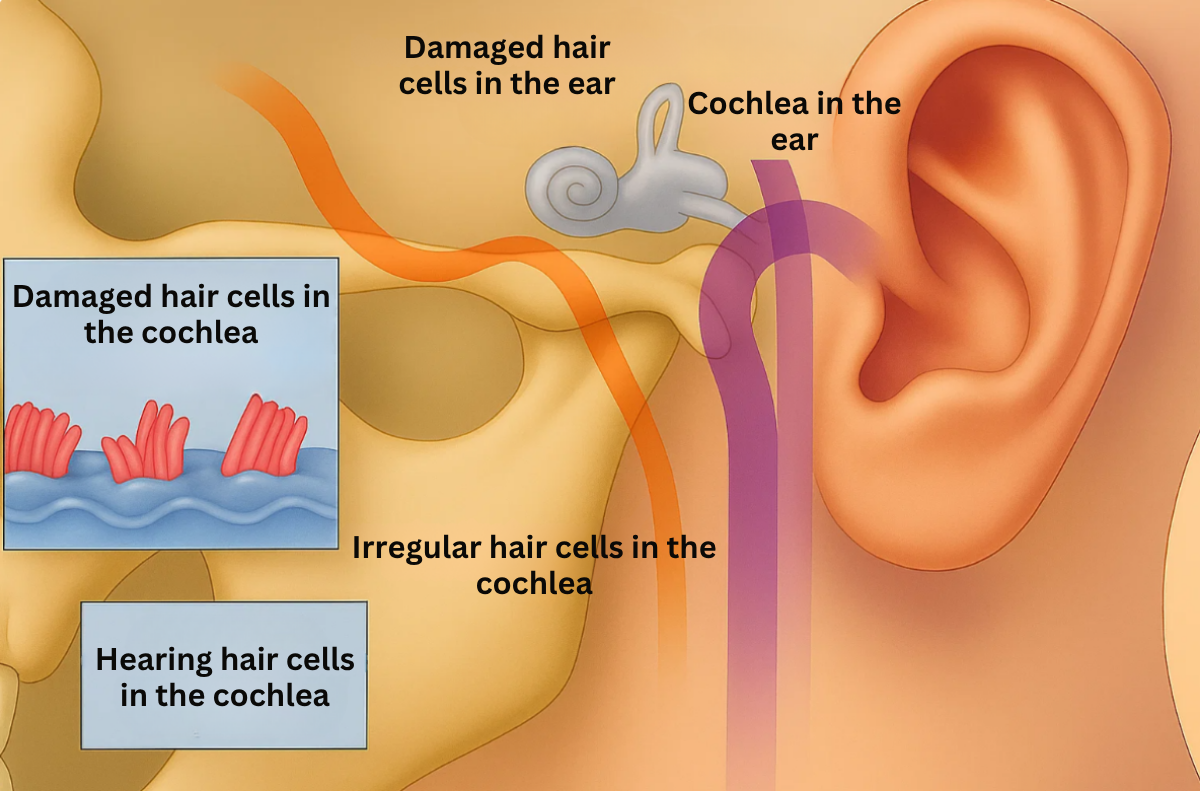
Deep inside the inner ear is a spiral-shaped structure called the cochlea. It contains specialised sensory cells known as hair cells.

The cochlea plays an essential role in converting vibrations into signals.
These microscopic sensory cells respond to mechanical vibrations and help transmit information through the auditory nerve to the brain.
Because these structures are delicate, excessive noise exposure and certain medical conditions can affect hearing over time.
What May Be Behind Ringing in Your Ears?
Tinnitus can be associated with different factors. Identifying the possible cause is important because different causes may require different approaches.
Factors worth understanding
- Noise exposure: Loud sounds can damage sensitive structures involved in hearing.
- Age-related changes: Hearing ability may change naturally over time.
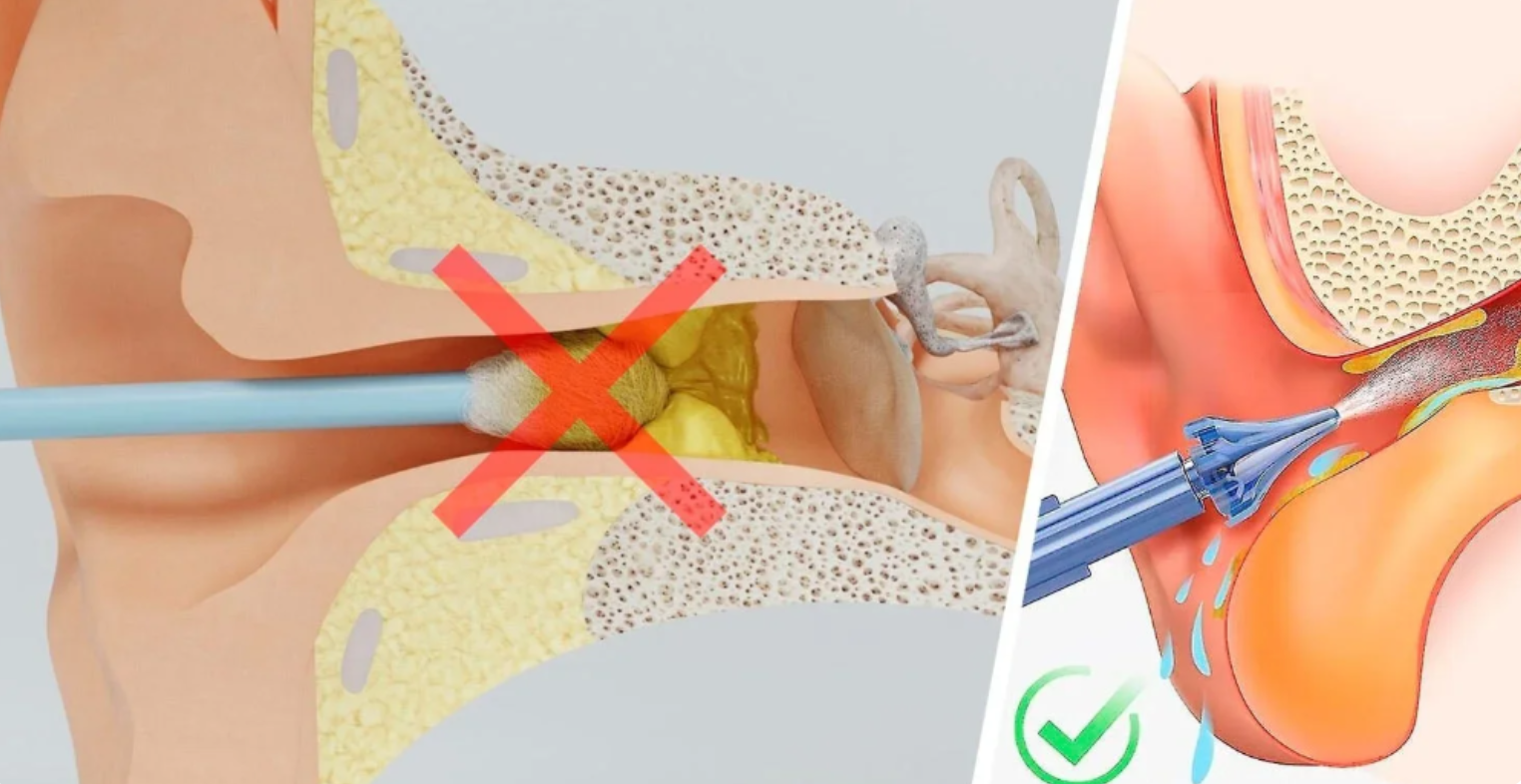
- Earwax blockage: A build-up can sometimes cause temporary hearing changes or discomfort.
- Medications: Certain medicines may contribute to tinnitus.
- Ear conditions: Infections and other medical conditions can affect hearing.
Not every case of tinnitus has the same explanation. A proper assessment can help identify possible contributing factors.
Simple Habits That Support Better Ear Care
Although tinnitus does not have one universal solution, there are practical steps that can help protect your hearing and support everyday wellbeing.
Everyday hearing care checklist
- Keep headphone volume at a comfortable level.
- Take breaks from prolonged loud-noise exposure.
- Use suitable hearing protection when necessary.
- Avoid inserting cotton swabs deep into your ear canal.
- Arrange a hearing assessment when symptoms persist.
For persistent tinnitus, healthcare professionals may discuss hearing assessments, sound therapy, tinnitus counselling and other suitable management options.
A Closer Look at Alisanda Tinnitus Relief Ear Drops
As interest in hearing wellness continues, people are also exploring different products designed for ear care.
Alisanda Tinnitus Relief Ear Drops is the product featured in this guide. It is presented as an ear-drop product intended for use in the ear canal, rather than an oral supplement or an external spray.
Alisanda Ear Drops is one of the first products to use Arnica Montana extract. Its powerful enzymes can reactivate the hair cells in the cochlea and dissolve the earwax that accumulates around the hair cells. But you don't have to believe me just based on my words. Currently, thousands of people in the US and around the world are using Alisanda Tinnitus Relief Ear Drops to restore their hearing and alleviate 99% of the most common ear problems, including tinnitus, earwax buildup, ear infections, fungal issues, and hearing nerve dysfunction, etc.

Tinnitus Relief Ear Drops
Always follow the actual product label and safety instructions.
Why Understanding the Product Matters
Products designed for the ear can have very different purposes. Some are intended to soften earwax, while others may be designed for specific ear-canal conditions.
A product's intended use depends on its formulation, ingredients and regulatory classification.
If you have ear pain, discharge, a suspected infection, a perforated eardrum or previous ear surgery, seek professional advice before using ear drops.
Every Hearing Journey Is Different
People experience tinnitus and other ear-related symptoms in different ways. Their needs, underlying causes and responses to care can also vary.
When considering a product, look for genuine customer feedback, clear ingredient information and realistic expectations.
“Since I started using these ear drops, I've noticed that my tinnitus seems to be gradually getting better. The ringing doesn't feel as bothersome as before, and I'm really glad I gave this product a try. Everyone's experience may be different, but so far, I'm happy with my experience.”
Verified customer feedback should be displayed only after verification.“A few months ago, my hearing specialist told me that my hearing had gotten so bad I might soon need surgery or expensive hearing aids. I didn't want to give up, so I kept looking for other options until I came across these ear drops. After about a week and a half of using them, I started noticing a real difference. My hearing seemed to stop getting worse and even began to improve. The best part? That constant buzzing and itching in my ears finally went away. I'm so grateful!”
Customer review areaExplore Alisanda for $24.99
If you are considering Alisanda, take a closer look at the product details, ingredients and directions before purchasing.

Take a Closer Look at Alisanda.
Review the product information and decide whether it is appropriate for your needs.
Check suitability and safety information before use.
What You Should Know
What is tinnitus?
Tinnitus is the perception of sound without an external source. It may be experienced as ringing, buzzing, humming or hissing.
Does tinnitus always mean hearing loss?
No. Tinnitus can occur with or without measurable hearing loss. A hearing assessment can help identify possible contributing factors.
Are all ear drops suitable for tinnitus?
No. Ear drops have different purposes and formulations. Their suitability depends on the ingredients, intended use and the condition of the ear.
How should Alisanda be used?
Follow the directions on the actual Alisanda product packaging. The number of drops and frequency of use must be confirmed from the official label.
When should I seek medical advice?
Seek medical assessment for persistent or worsening tinnitus. Sudden hearing loss requires urgent medical attention. Do not put drops into an ear if you suspect an eardrum perforation unless advised by a healthcare professional.
Make Informed Choices About Your Ear Care.
Explore Alisanda Tinnitus Relief Ear Drops and review the product information.
DISCOVER ALISANDA →